Superabrasive

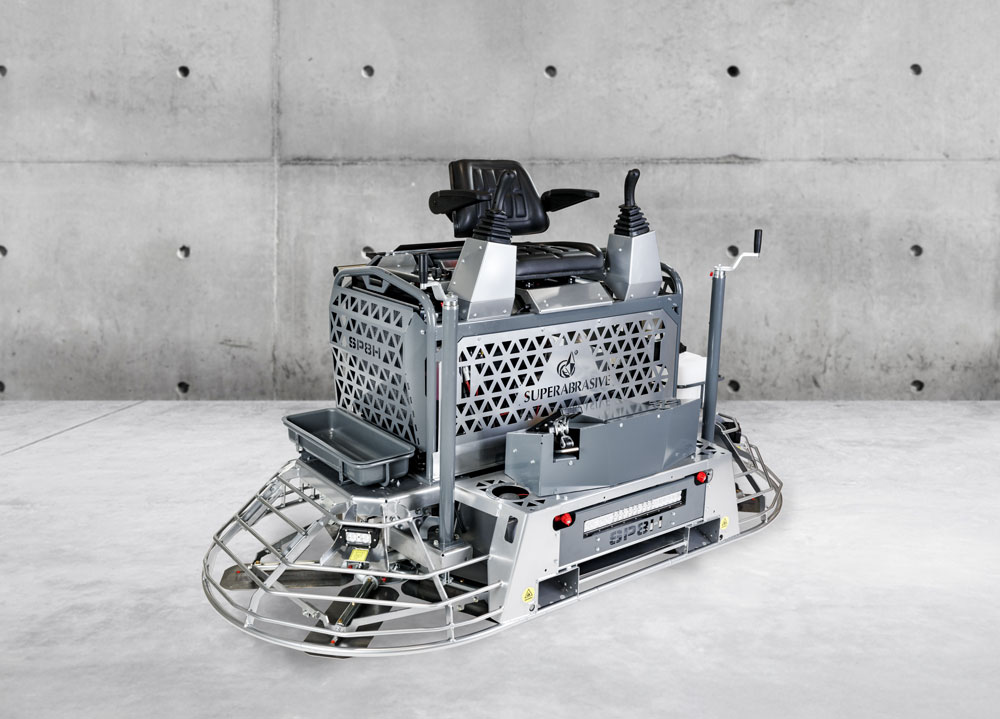
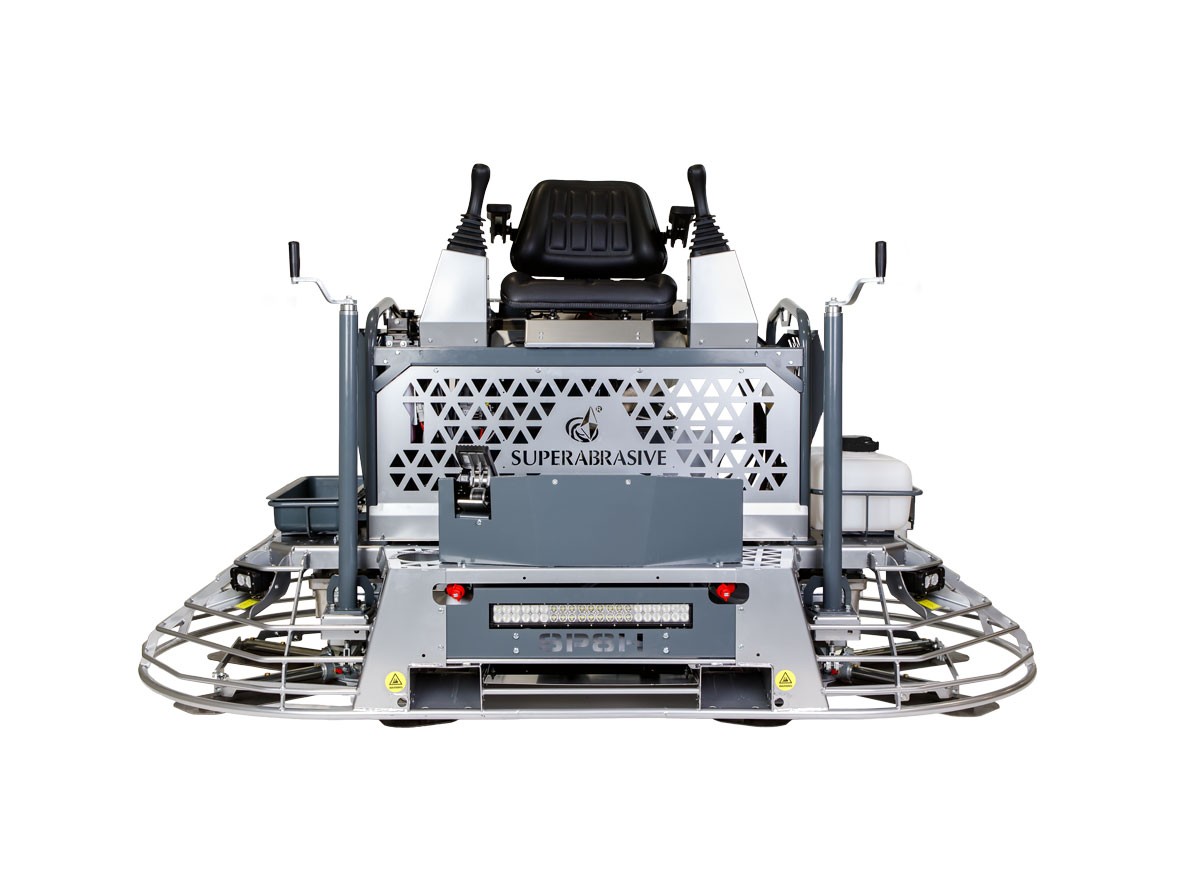
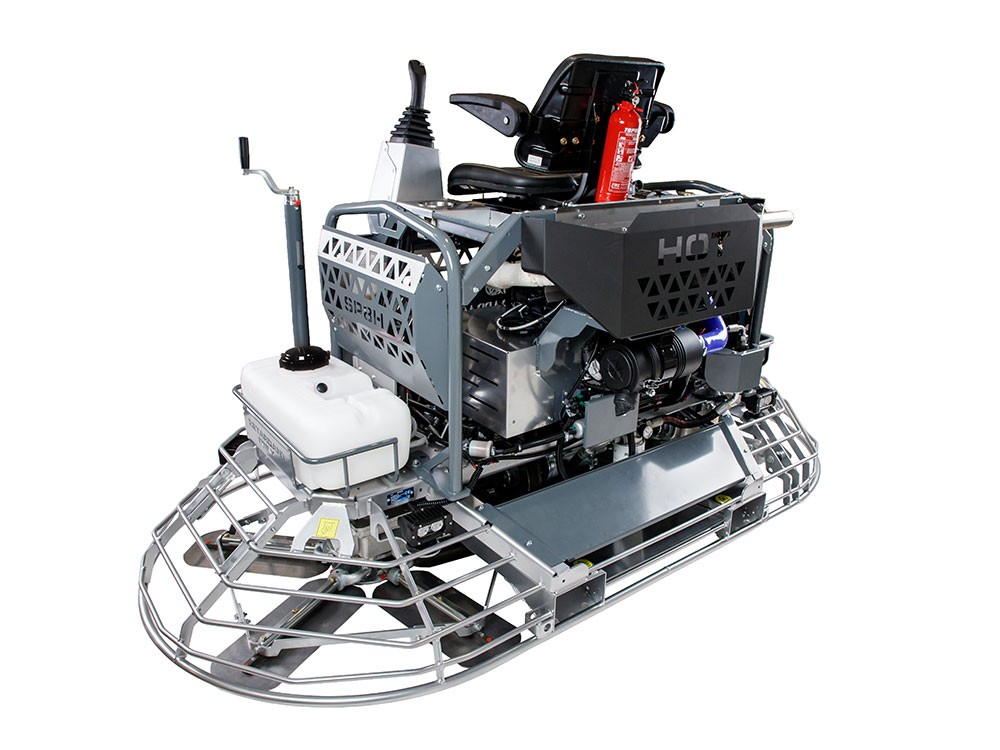
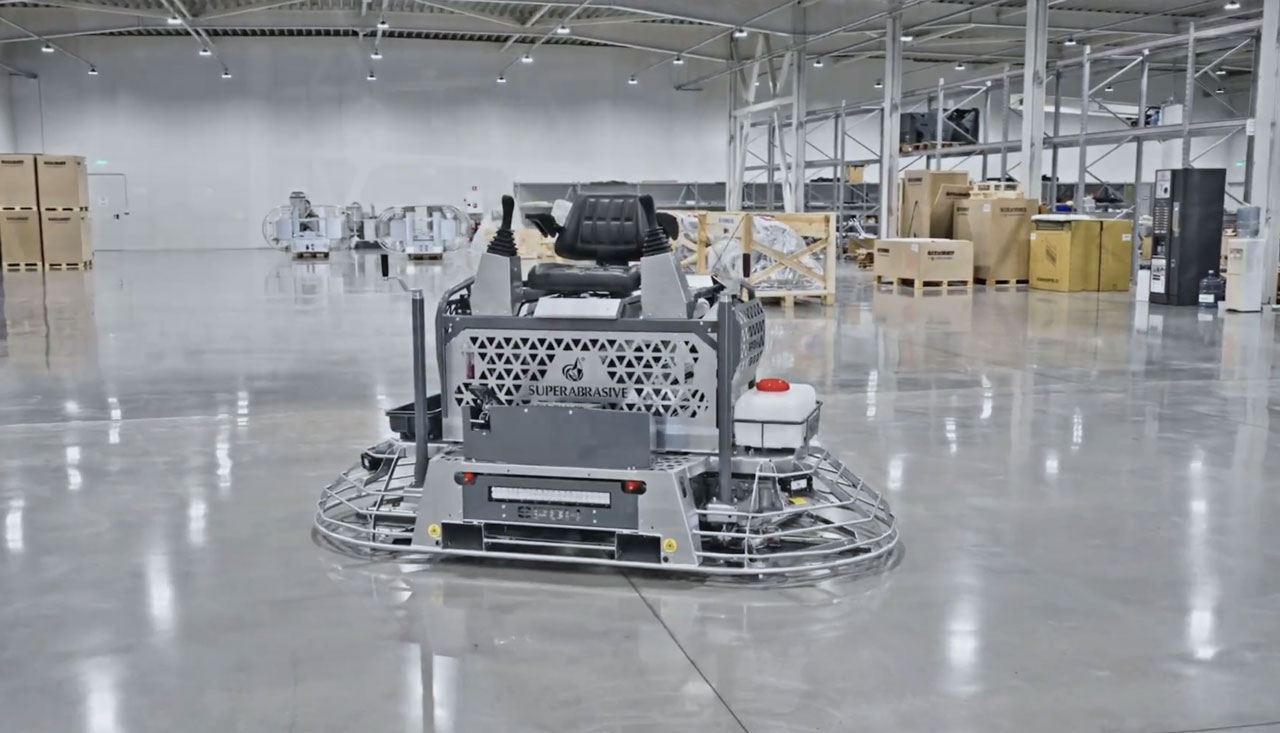
SP8H Ride-On Trowel, 8′

$39,990.00 US MSRP

SP8H Ride-On Trowel, 8′ with Power Steering

IMPROVED FEATURES, SERVICEABILITY & DURABILITY

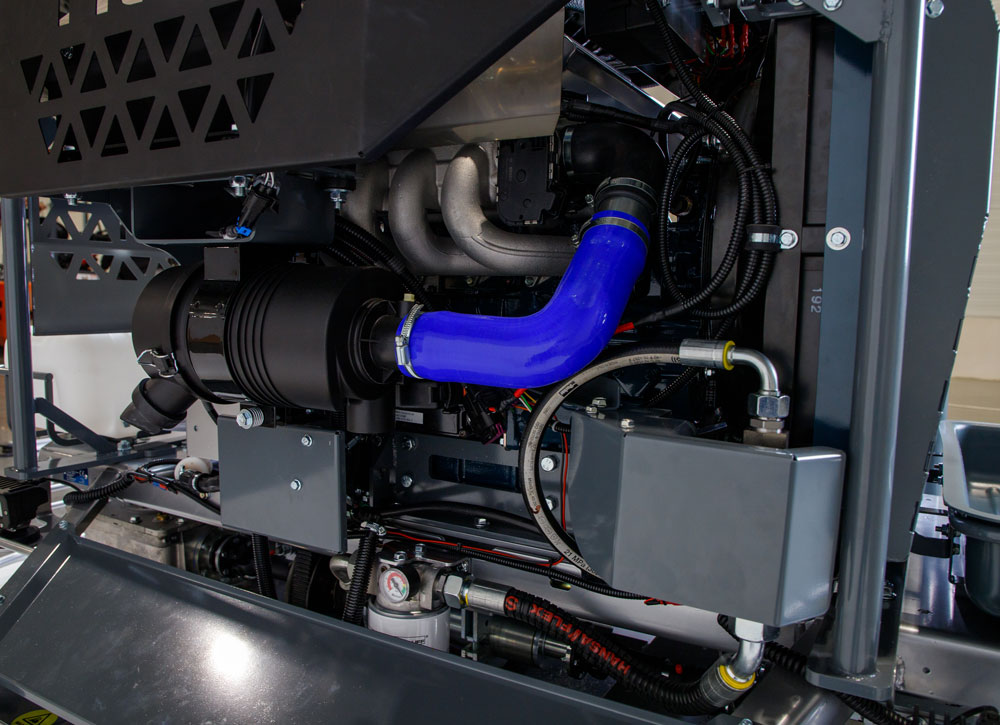
Engine: KUBOTA 1605

Engine Power: 57 hp / 42.5 kW

Engine Capacity: 1537 cc / 93.79 cu.in

Engine RPM: 750-3600 rpm

Rotor RPM: 30-180 rpm

Path Width: 94 in / 238.5 cm

Pan diameter: 2 x  46.5 in / 118 cm

Rotor diameter: 2 x 44.7 in / 114 cm

Blades per Rotor: 5

Fuel Type: Gasoline

Fuel Tank Capacity: 7.7 gal / 29 L

Retardant Tank Capacity: 5.5 gal / 20 L

Water Feed: Front mist with pump

Machine Weight: 1672 lbs / 758kg

Datasheet

TROWEL FEATURES:

  • LESS MAINTENANCE – MORE UPTIME

Sealed-bearing driveline eliminates daily greasing, significantly reduces maintenance, and delivers long-lasting durability. In-house made helical gearbox, is precision-machined for long-term reliability and smoother power transfer.

  • PROTECTED WHERE IT COUNTS

Protective shield between lift pockets reduces concrete splashing and protects the CVT and driveline from debris and impact. Improved fuel system eliminates capmounted float failures, reduces water intrusion, and improves fuel-level accuracy.

  • SEE BETTER – WORK SAFER

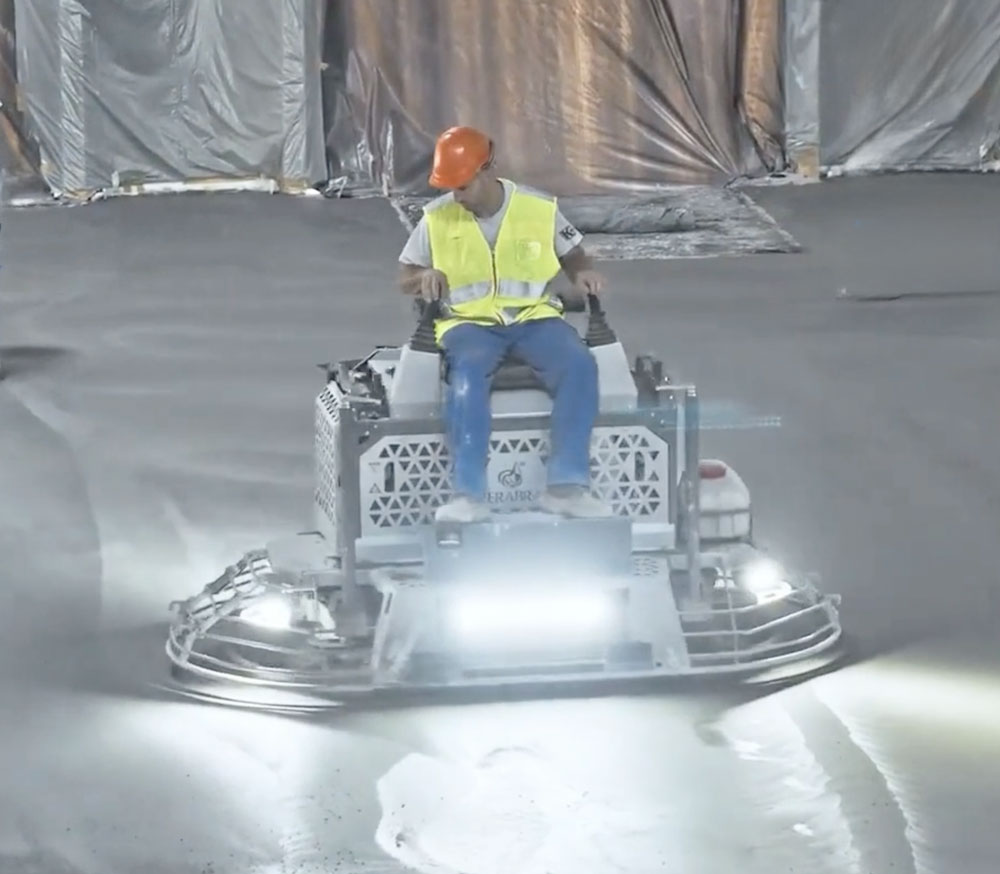
Massive LED light bar plus four adjustable work lights provide excellent visibility during night and early-morning pours. Two front lights protected from impact, and two rear lights with magnetic attachment and telescopic cable for flexible positioning

  • BUILT FOR SAFE TRANSPORT

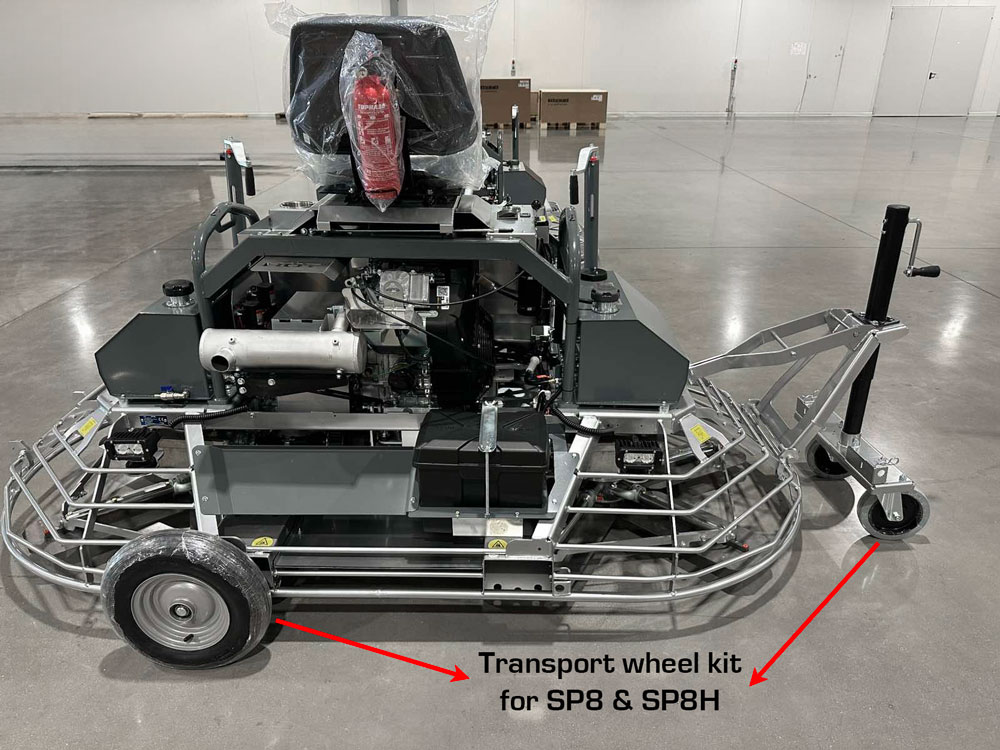
Integrated forklift pockets provide safe lifting and efficient transport without straps. Side strapping points andreinforced gussets allow secure transport without damaging seat or machine. Optional transport kit – #A124.

  • DESIGNED FOR THE OPERATOR

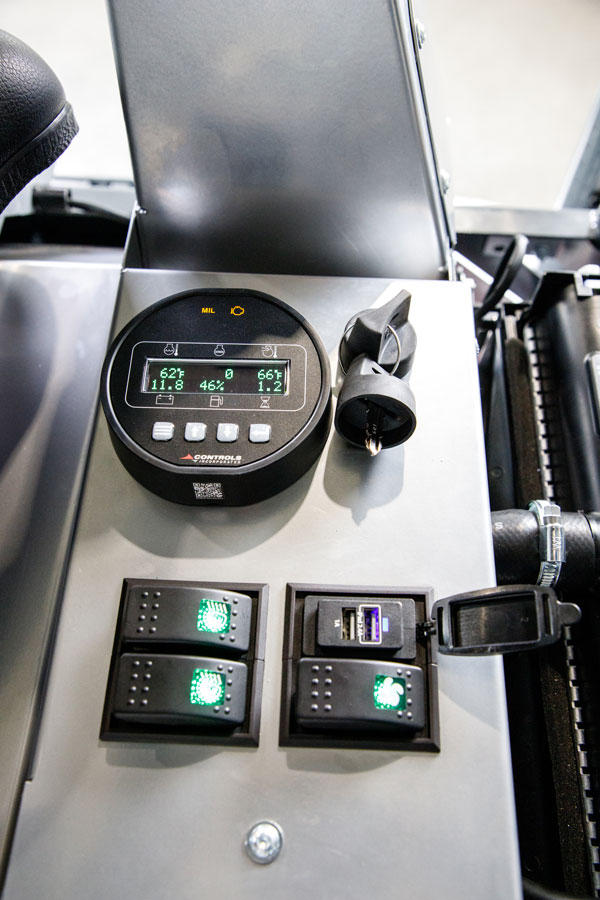
Hydro steering with two control modes reduces fatigue and improves usability; Digital information display provides real-time performance data and diagnostics; Convenience features to improve long-shift usability: Phone holder; USB charging port; Stainless steel cup holder.

  • DURABILITY-FOCUSED DETAILS

Central splashguard to reduce  concrete splashing onto driveline; Protected spray nozzles to minimize breakage; Extended greasing points of the spider for easier access; Sealed main shaft assembly with O-ring seals to prevent moisture  intrusion, reduce corrosion and shaft-to-spider seizure.


Superabrasive trowel spider lubrication system


Superabrasive’s patent-pending spider design routes grease directly to the shaft-to-spider interface – the area that usually gets ignored. Our system uses the same grease points you already service. This helps:

• Reduce corrosion and fretting

• Prevent spiders from seizing onto the shaft

• Make spider removal easier

• Extend shaft and spider life

• Cut downtime and repair costs.

Just grease your trowel arms like you always do, and the spider gets protected too.


LESS HAMMERING. LESS HEAT. LESS HEADACHE.


Experience the most comfortable and responsive ride with SP8H. See it in action:


TROWEL BLADES AND FLOAT PANS

Superabrasive offers high quality float pans and trowel blades, compatible with Allen, Bartell, Champion, Dart, ESI, Essick, Kelley, MBW, Marshalltown, Morrison, Muller, Oscar, Rhin-O-Tuff , Toro / Stone, Wacker, Whiteman.

  • Float pans in different sizes: 36″, 46″, 60″ (90cm, 120, 150mm) in 3 and 4mm thickness with Z-clips and Safety Rods
  • Trowel blades from 24″ to 60″, including finishing and combination blades, featuring high-quality blue steel for optimal blade life and performance.


Find the right tools for your trowel machine:

trowel blades and pans table


Concrete Finishing FAQs:


Is pan and blade quality important?
The quality of float pans and blades makes a difference for the surface finish. Skimping on either usually shows up directly in the floor.

Float pan quality is what sets the foundation of your finish.

  • Flatness & rigidity: A high-quality pan stays flat under load, helping you achieve better FF/FL numbers. Cheap pans can flex or warp, creating waves.
  • Material thickness: Thicker steel distributes weight evenly and resists deformation, especially on large slabs.
  • Balance: A well-balanced pan reduces machine chatter and operator fatigue.
  • Wear resistance: Better steel lasts longer and maintains consistent performance across jobs.

Blade quality determines the final surface appearance and density.

  • Edge consistency: Precision edges produce a smoother, more uniform finish without streaking.
  • Steel hardness: Higher-grade steel keeps its shape longer and delivers a tighter burnish.
  • Flex characteristics: Good blades flex just enough to follow the slab without digging in.
    Finish quality: Inferior blades can leave swirl marks, lines, or uneven sheen.

How they work together:
Pan = structure + flatness
Blades = smoothness + polish

Why use pans to float concrete?

Float pans are used to remove surface imperfections, improve flatness and to compact concrete before the finishing operations. Unlike blades, floating pans distribute pressure evenly, which is essential in rebar fabrication and large-scale concrete projects.

When to start pan floating?
Correct timing is crucial when using power trowels and floating pans. Floating should never be done when bleed water is present, as this can lead to surface scaling and dusting.

When a finisher walking on the surface leaves only a 1/4-inch indentation, the concrete is ready for floating. Since walking on soft concrete can affect the surface quality, pan floating is most commonly done with riding trowels. However, smaller walk-behind or edging machines up to 36 inches are beneficial for floating edges and slab penetrations.

How to use float pans?

  • Use low speed to prevent damaging the surface
  • Apply a forward-backward technique to minimize turn marks
  • Avoid high-speed, uncontrolled floating, often called cowboy floating, as this reduces flatness
  • Always make the first pass perpendicular to the direction of screeding
  • Work the edges in a backward pass because forward passes can cause the concrete to rise, creating additional edge work.
  • The number of passes is also important –  a minimum of two passes is required, but four passes are preferred, with each pass perpendicular to the previous one.


    DistributorContractor/ End User

    You may also like…

    All search results