
Office USA: 706-658-1122 | Tech Support: 706-362-4813 | Office Bulgaria: +359 431 64477
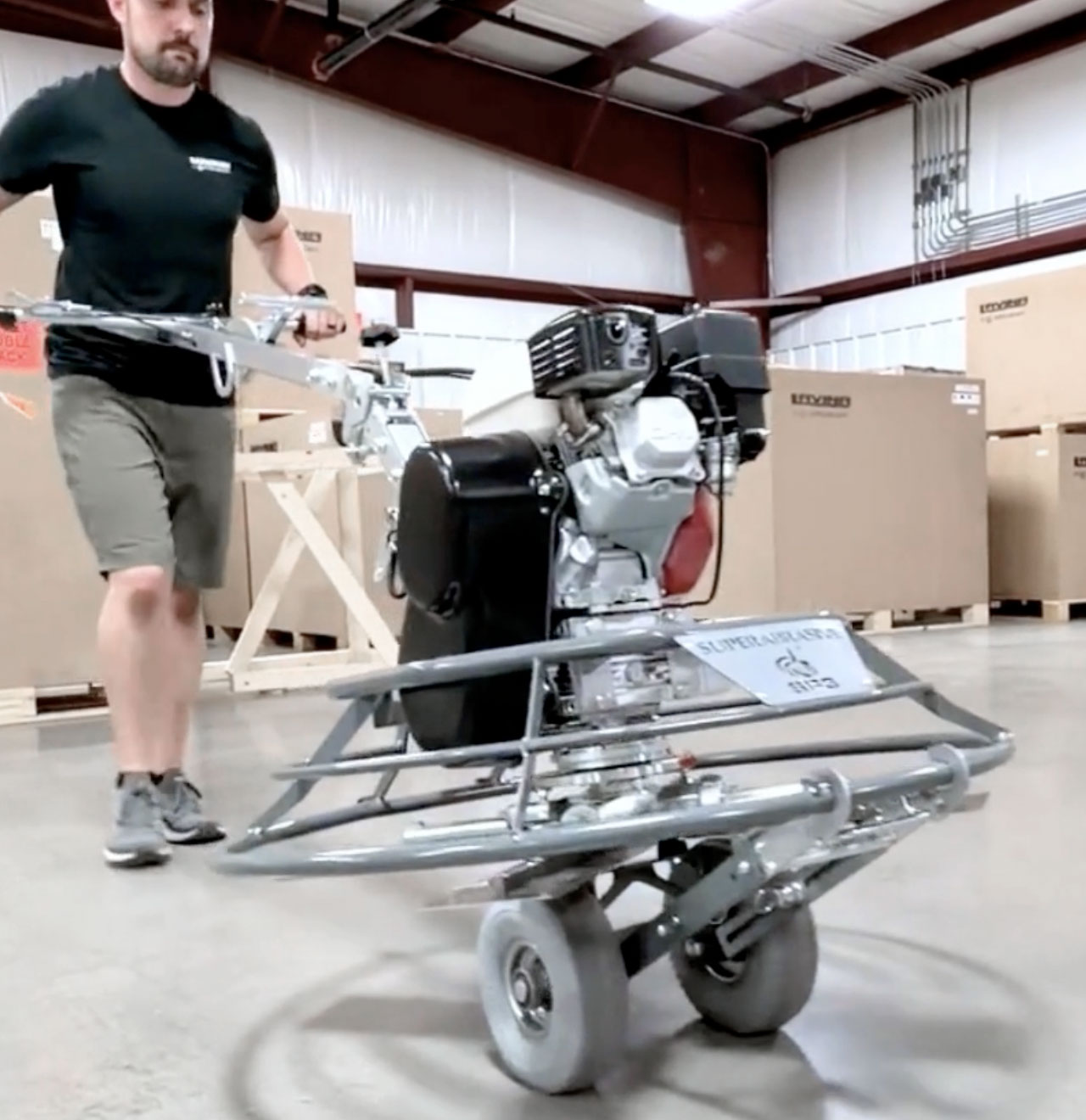
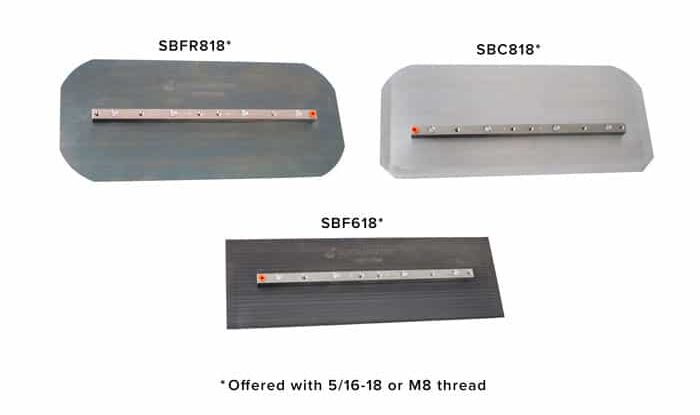
Superabrasive produces a variety of trowel blades and float pans for walk-behind and ride-on power trowels, inclluding Allen, Bartell, Champion, Dart, ESI, Essick, Kelley, MBW, Morrison, Muller, Oscar, Rhin-O-Tu©, Toro / Stone, Wacker, Whiteman.
Float pans with clip-on or safety catch attachment in 36″, 46″ and 60″ diameter.
Finishing and combination blades from 24″ to 60″ size.
Both float pan quality and blade quality matter a lot when finishing concrete with power trowels. Skimping on either usually shows up directly in the floor.
Float pan quality (early finishing stage)
The float pan is what sets the foundation of your finish.
Blade quality (final finishing stage)
Blades determine the final surface appearance and density.
How they work together:
Pan = structure + flatness
Blades = smoothness + polish
If either one is low quality, it limits the other.
Float pans are used to remove surface imperfections, improve flatness and to compact concrete before the finishing operations. Unlike blades, floating pans distribute pressure evenly, which is essential in rebar fabrication and large-scale concrete projects.
Correct timing is crucial when using power trowels and floating pans. Floating should never be done when bleed water is present, as this can lead to surface scaling and dusting.
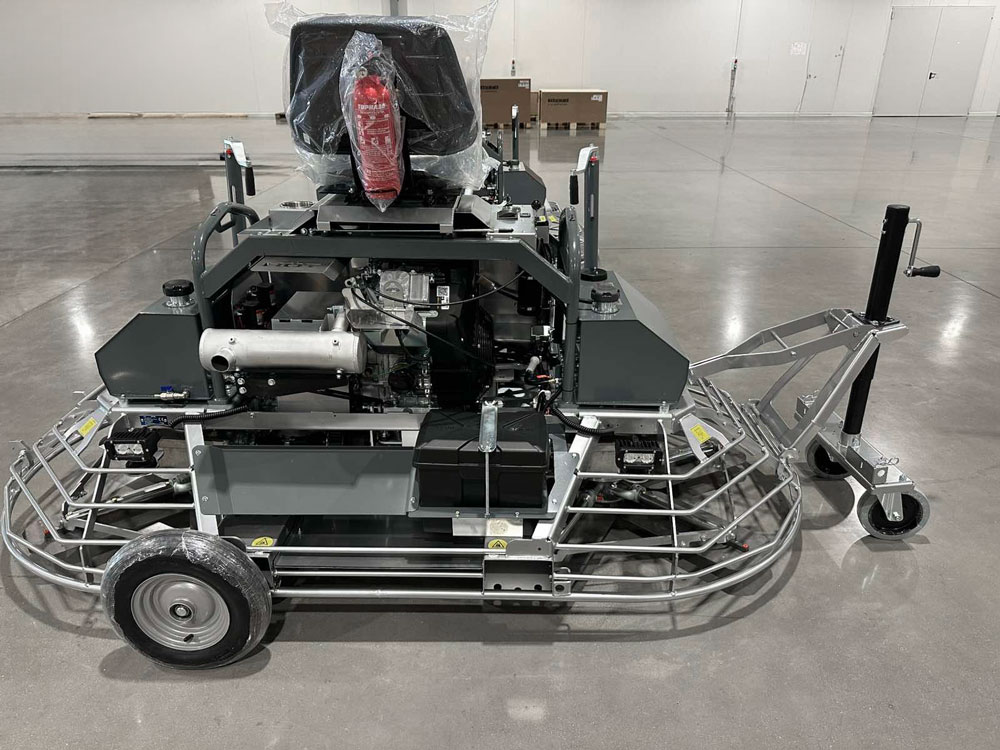
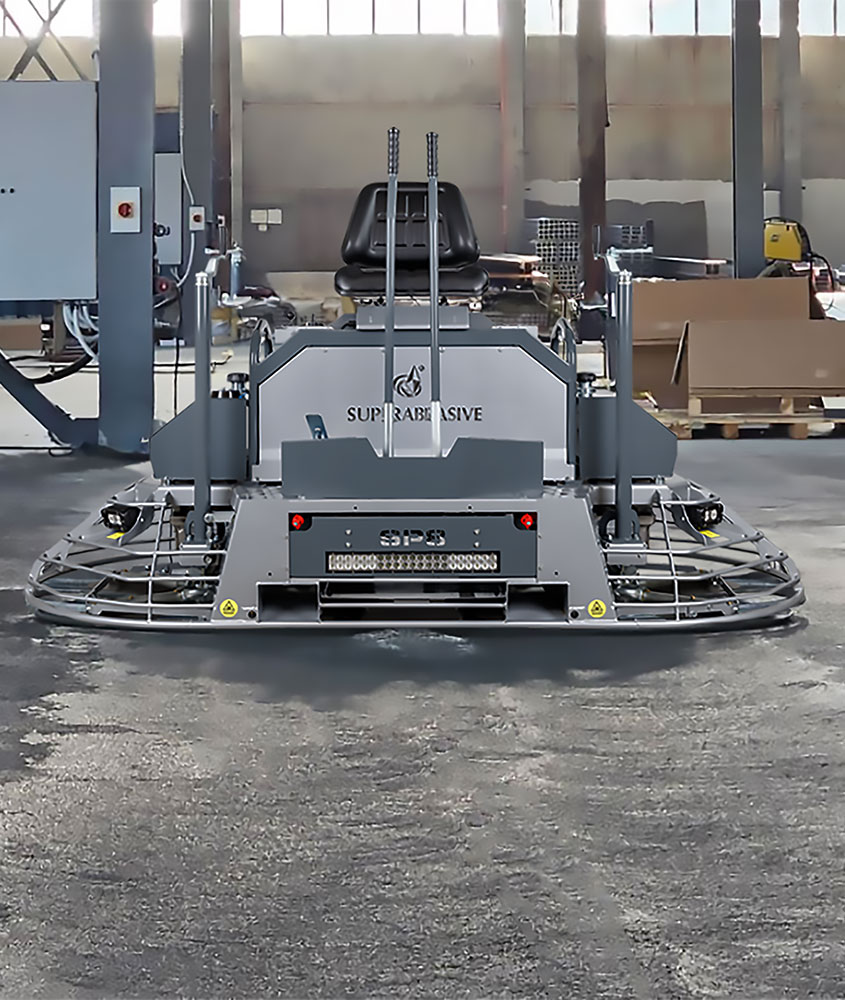
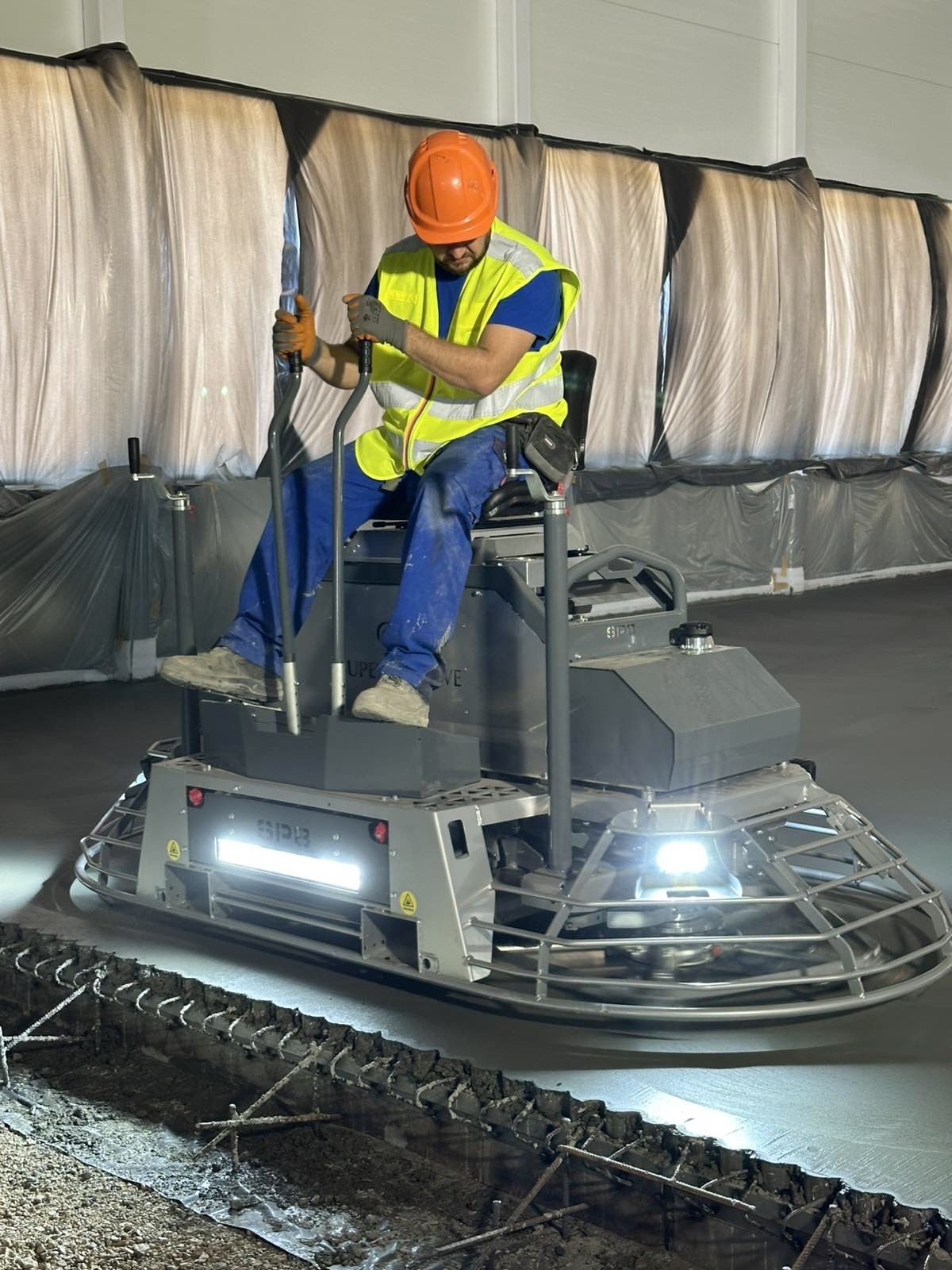
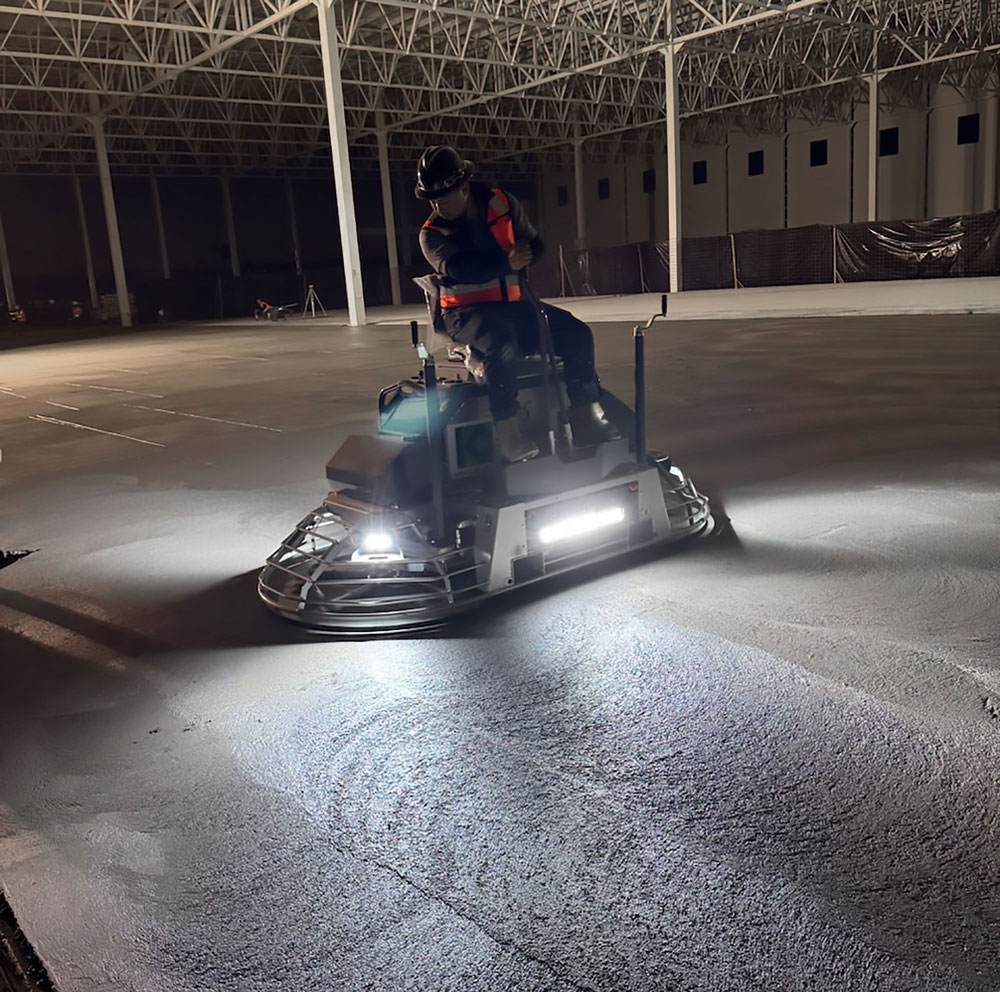
When a finisher walking on the surface leaves only a 1/4-inch indentation, the concrete is ready for floating. Since walking on soft concrete can affect the surface quality, pan floating is most commonly done with riding trowels. However, smaller walk-behind or edging machines up to 36 inches are beneficial for floating edges and slab penetrations.
| Cookie | Duration | Description |
|---|---|---|
| cookielawinfo-checkbox-analytics | 11 months | This cookie is set by GDPR Cookie Consent plugin. The cookie is used to store the user consent for the cookies in the category "Analytics". |
| cookielawinfo-checkbox-functional | 11 months | The cookie is set by GDPR cookie consent to record the user consent for the cookies in the category "Functional". |
| cookielawinfo-checkbox-necessary | 11 months | This cookie is set by GDPR Cookie Consent plugin. The cookies is used to store the user consent for the cookies in the category "Necessary". |
| cookielawinfo-checkbox-others | 11 months | This cookie is set by GDPR Cookie Consent plugin. The cookie is used to store the user consent for the cookies in the category "Other. |
| cookielawinfo-checkbox-performance | 11 months | This cookie is set by GDPR Cookie Consent plugin. The cookie is used to store the user consent for the cookies in the category "Performance". |
| viewed_cookie_policy | 11 months | The cookie is set by the GDPR Cookie Consent plugin and is used to store whether or not user has consented to the use of cookies. It does not store any personal data. |